Climate crisis
Climate and environmental changes directly affect human health
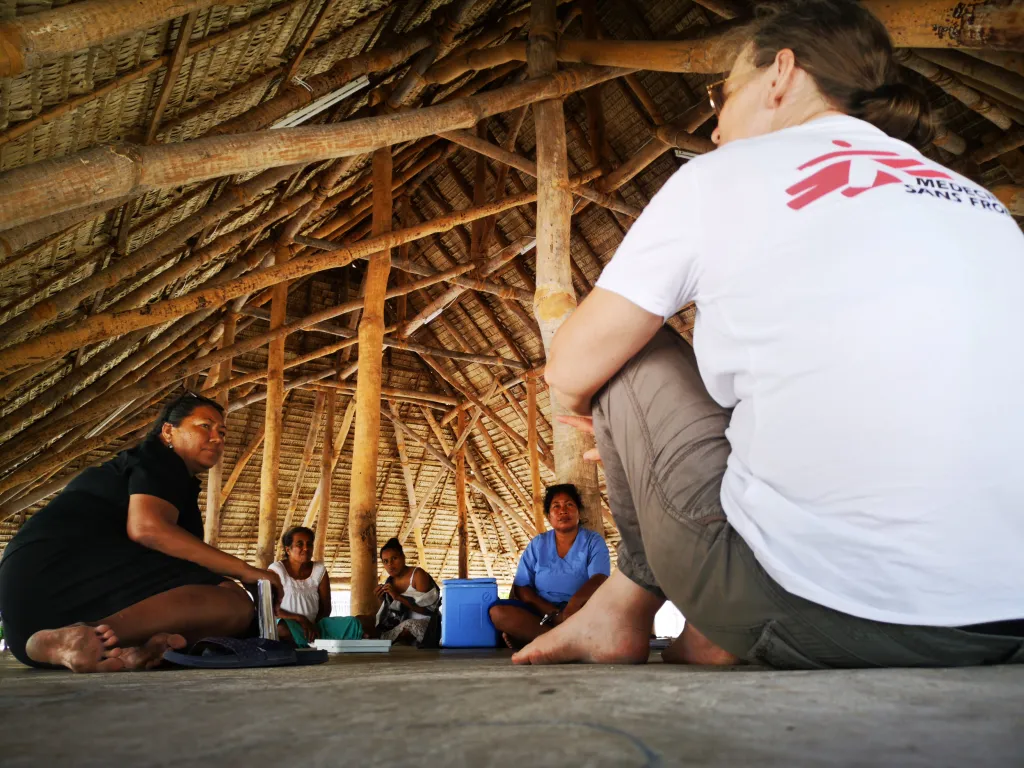
The impact of human-induced climate change and environmental degradation on health is evident in many places where MSF provides medical care around the world.
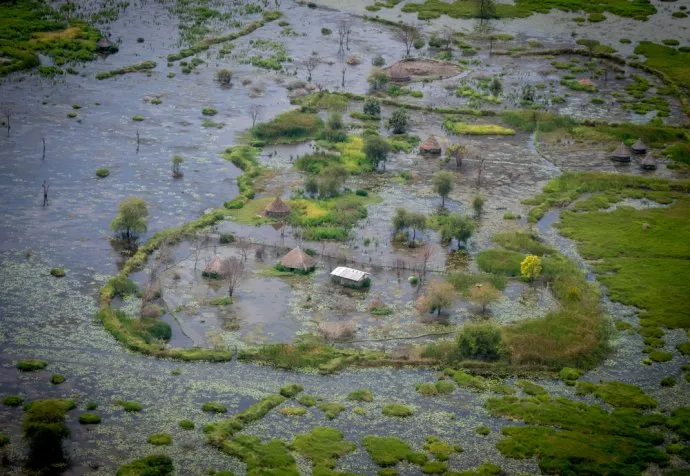
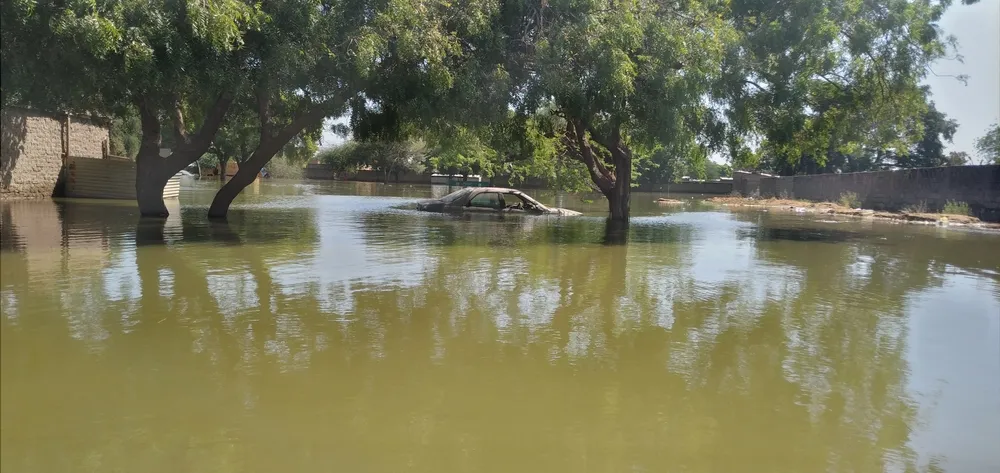
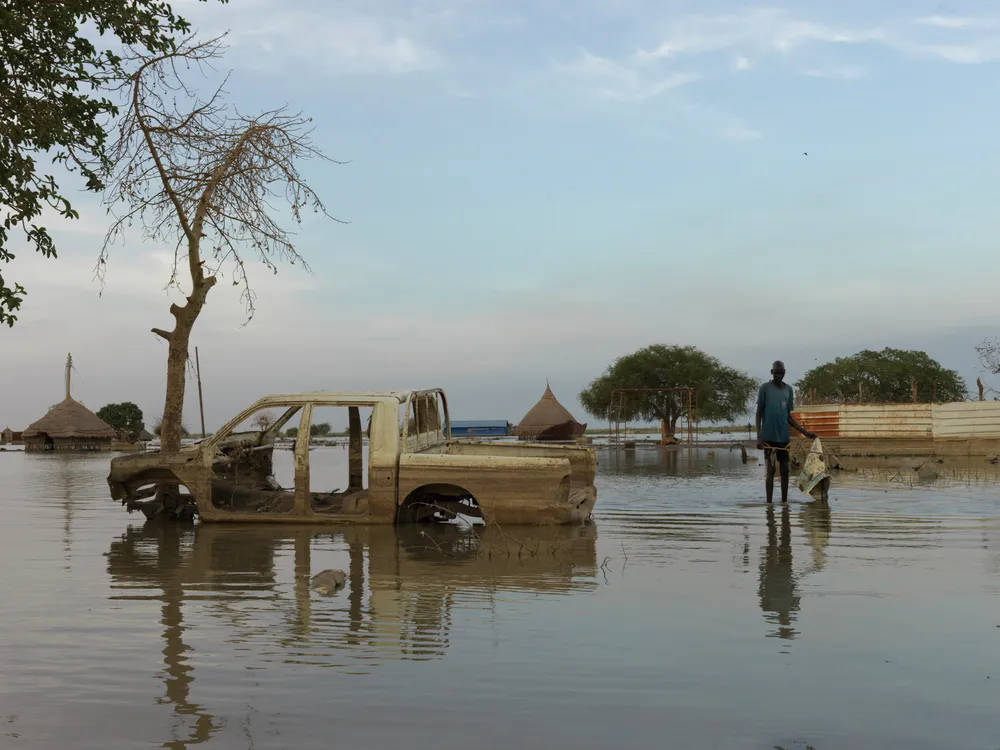
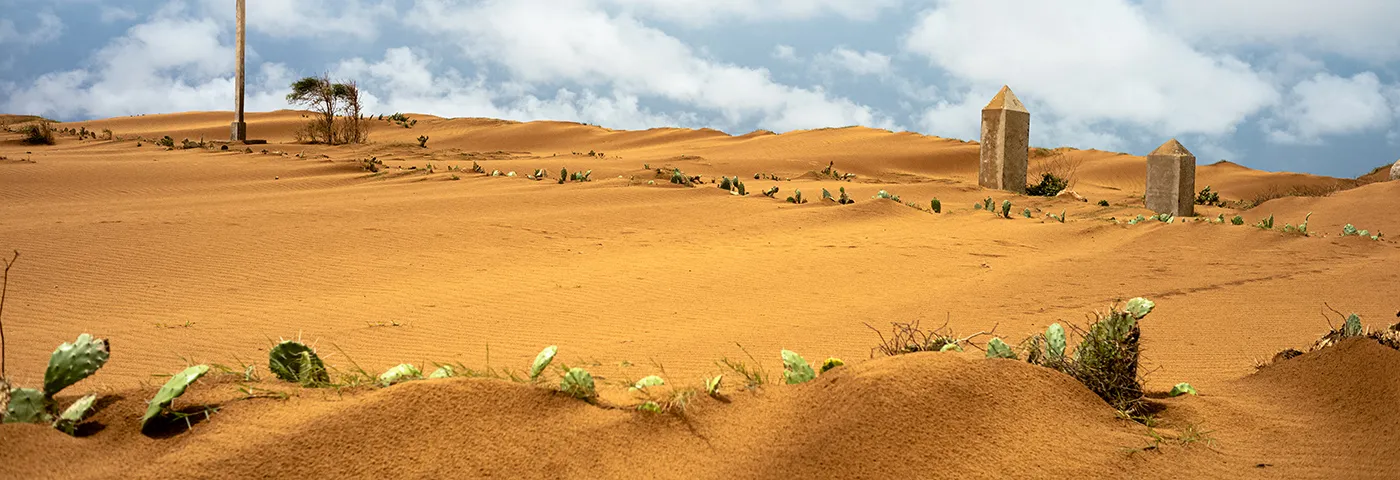
Climate change has been described as the biggest global health threat of the 21st century, while the response to climate change provides the greatest opportunity to protect health. The scientific evidence for climate change is unequivocal, and the magnitude of the consequences can no longer be ignored. The evidence clearly shows that we will be seeing further rising temperatures and sea levels, and more frequent and intense extreme weather events such as heavy rains, heat waves, cyclones, droughts, and floods.
The medical impacts of the climate emergency
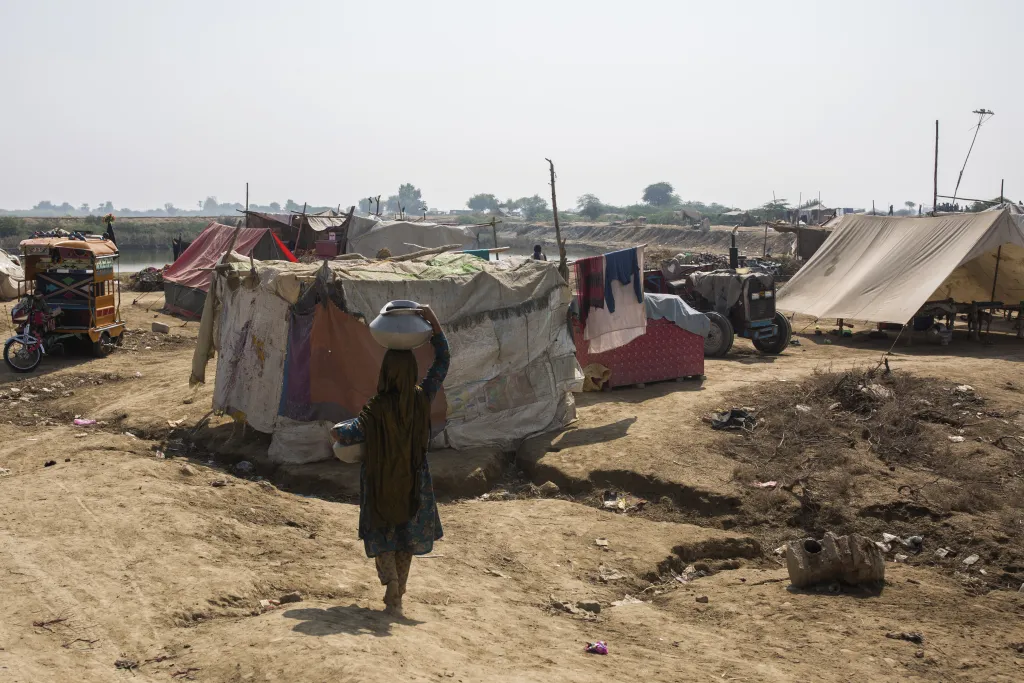
MSF works in some of the most climate-vulnerable settings in the world where people already lack access to basic healthcare. These people are also the least responsible for the emissions that generate the climate crisis – and yet they are bearing the brunt of its effects.
In many MSF project locations, our medical humanitarian teams are responding to situations that are linked to the changing environment. This includes increasing numbers of people with infectious diseases such as malaria, dengue fever and cholera, as a result of changing rainfall and temperature patterns. There are also increasing cases of zoonotic diseases (transmitted from animals to humans) due to rising pressure on the environment; and more frequent extreme weather events, such as cyclones, hurricanes and droughts, which can contribute to malnutrition. In many places where we work today, our teams see people with multiple health needs resulting from frequent epidemics, food insecurity, conflict and displacement, which are all exacerbated by the climate emergency.
Health and Humanitarian consequences of the climate emergency
The climate crisis is a health and humanitarian crisis. Climate change is negatively affecting communities in many parts of the world and the impacts will become more severe over time unless urgent action is taken to reduce greenhouse gas emissions.
As health workers, we are witnessing the climate crisis. We are treating patients experiencing the health impacts of the climate emergency first-hand. It is very clear: this crisis is disproportionately hitting the most vulnerable people. We work in some of the most climate-vulnerable settings in the world where people already lack access to or are excluded from basic healthcare. These people are disproportionately affected by the climate crisis, yet they are the least responsible for the emissions that generate the climate crisis.
As a humanitarian medical organisation, we are concerned that the climate emergency will worsen existing vulnerabilities among the communities we serve. The humanitarian and medical consequences are projected to grow as the climate emergency worsens. We are seeing worrying trends in many places where we provide assistance.
The effect on humanitarian response
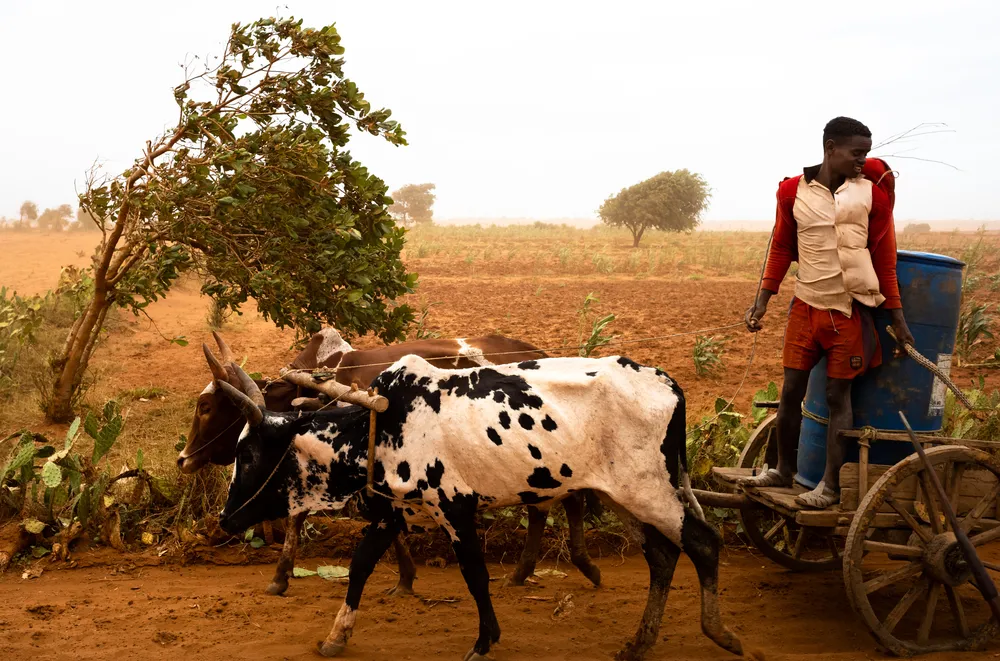
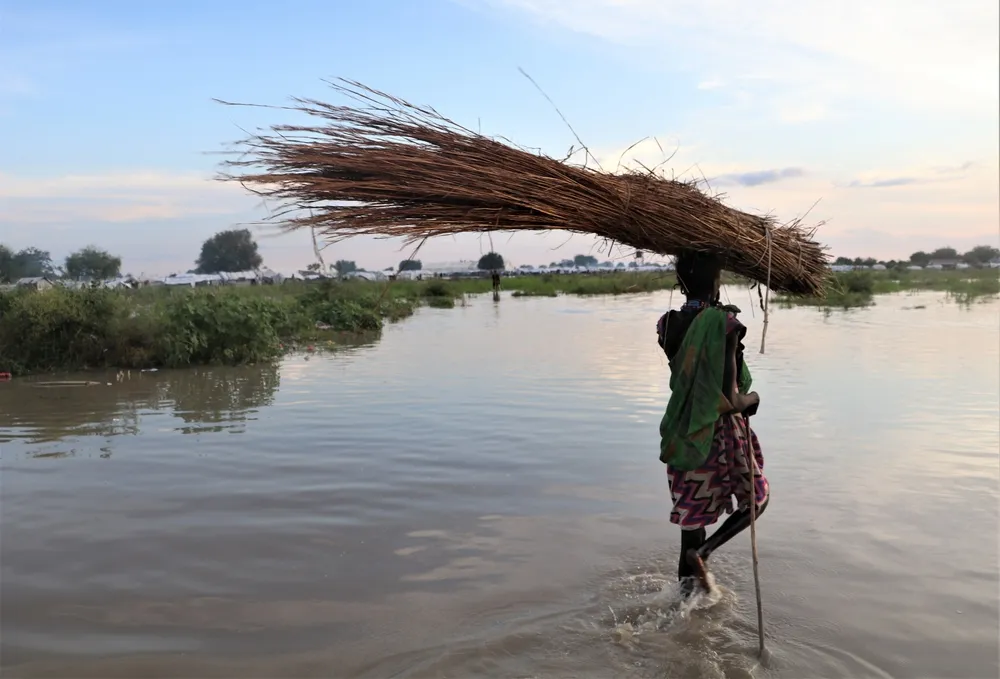
In multiple countries where MSF works, our medical humanitarian teams are responding to situations that are linked to or aggravated by climate and environmental change. These include infectious diseases transmitted by insects - such as malaria, or in water - such as diarrhea, which is affected by changing temperature and rainfall patterns. They also include malnutrition, for example, due to prolonged droughts, and other extreme weather events such as cyclones and floods which are becoming more frequent and severe. These situations are occurring in a world of 1.2 degrees warming, and additional warming will have catastrophic consequences for many people across the globe.
We are reviewing our operational strategies to strengthen emergency preparedness. Adapting our activities to the realities of climate change will enable us to continue to provide the best care for our patients and deliver assistance where it is most needed. As the needs change, so will our medical action.
How climate change is affecting communities
What climate-related actions is MSF taking?
We recognise that as a large, international organisation we have an important role to play in reducing our impact on the climate. We are progressively adapting the way we work to ensure we are environmentally responsible and that our activities don’t cause harm to the people we are trying to assist. We have developed a toolkit to measure and mitigate our environmental footprint, including carbon emissions, other greenhouse gases and other elements that contribute to environmental degradation so that we can change our practices.
Our 2022 Climate Emergency Report
The second annual Climate Emergency Report* describes the commitments and progress of MSF Australia to reduce its carbon emissions footprint and to support MSF-wide climate crisis mitigation and adaptation goals and activities.
- Reducing our carbon footprint: MSF’s operational centre in Geneva, Switzerland has pledged to reduce emissions by at least 50 per cent compared to 2019 levels by 2030; with this target the organisation aims to chart a firm trajectory towards decarbonisation. At MSF Australia, we are committed to reducing our carbon footprint by 15% by 2023 (from our 2019 levels), with the target to be carbon neutral by 2030.
- Avoiding and reducing waste: We are working to ensure an efficient and socially responsible supply chain, in order to reduce, reuse and recycle medical materials and equipment, such as mosquito nets, transport containers or personal protective equipment. MSF has launched a sustainable supply project and set up ‘green teams’ of volunteers in more than 15 countries, who are conducting mitigation campaigns at the local level, to raise awareness and reduce plastic pollution. One example is in Uganda where we have launched a project to replace the millions of plastic bags we use each year to distribute medicines, with ecologically sustainable bags using local resources made by local communities. We are reducing medical waste in our hospitals and clinics, including exploring options to move away from single-use disposable masks and gloves towards reusable products where appropriate.
- Embracing solar power: We are developing new energy solutions, such as using solar panels to power some of our medical activities, as well as innovative approaches that respond to the environments we work in.
- Reducing non-essential air travel: We are reducing our international travel, for example attending meetings or workshops virtually rather than in person and sourcing medical supplies closer to the places where we work. These changes have also accelerated because of the impact of the COVID-19 pandemic on international freight and personnel travel.
“MSF teams are medical humanitarians, not climate scientists —but after years of witnessing how climate change has likely exacerbated health and humanitarian crises in multiple contexts where we work, we are compelled to speak out about what we see."
MSF Australia is grateful to Pangolin Associates for their pro-bono support in conducting our annual audits and advising us on ways to reduce our carbon emissions footprint.
Will you support our crisis response work?
As an independent, impartial medical humanitarian organisation, Médecins Sans Frontières can respond rapidly to emergency situations and deliver urgent medical treatment to people in need – no matter who they are.
By making a donation, you can help ensure that we can be there to provide healthcare during times of climate crisis.
*The Lancet Countdown: Tracking Progress on Health and Climate Change is a collaboration of over 120 leading experts bringing together climate scientists, engineers, energy specialists, economists, political scientists, public health professionals and doctors. Each year its findings are published in the Lancet ahead of the UN climate change negotiations. MSF has been contributing a policy brief to the Lancet Countdown for a number of years. In the 2021 brief MSF’s teams around the world and across multiple disciplines share their experiences with how climate change has likely exacerbated health and humanitarian crises and how they have adapted or plan to adapt their response.
While MSF is not an environmental organisation, we increasingly recognise that the health of our patients is intricately linked to the health of their environment. Now is the time to act—collectively. This emergency cannot wait.