Stories & News

msf1_1.jpeg
30 Jul 2020

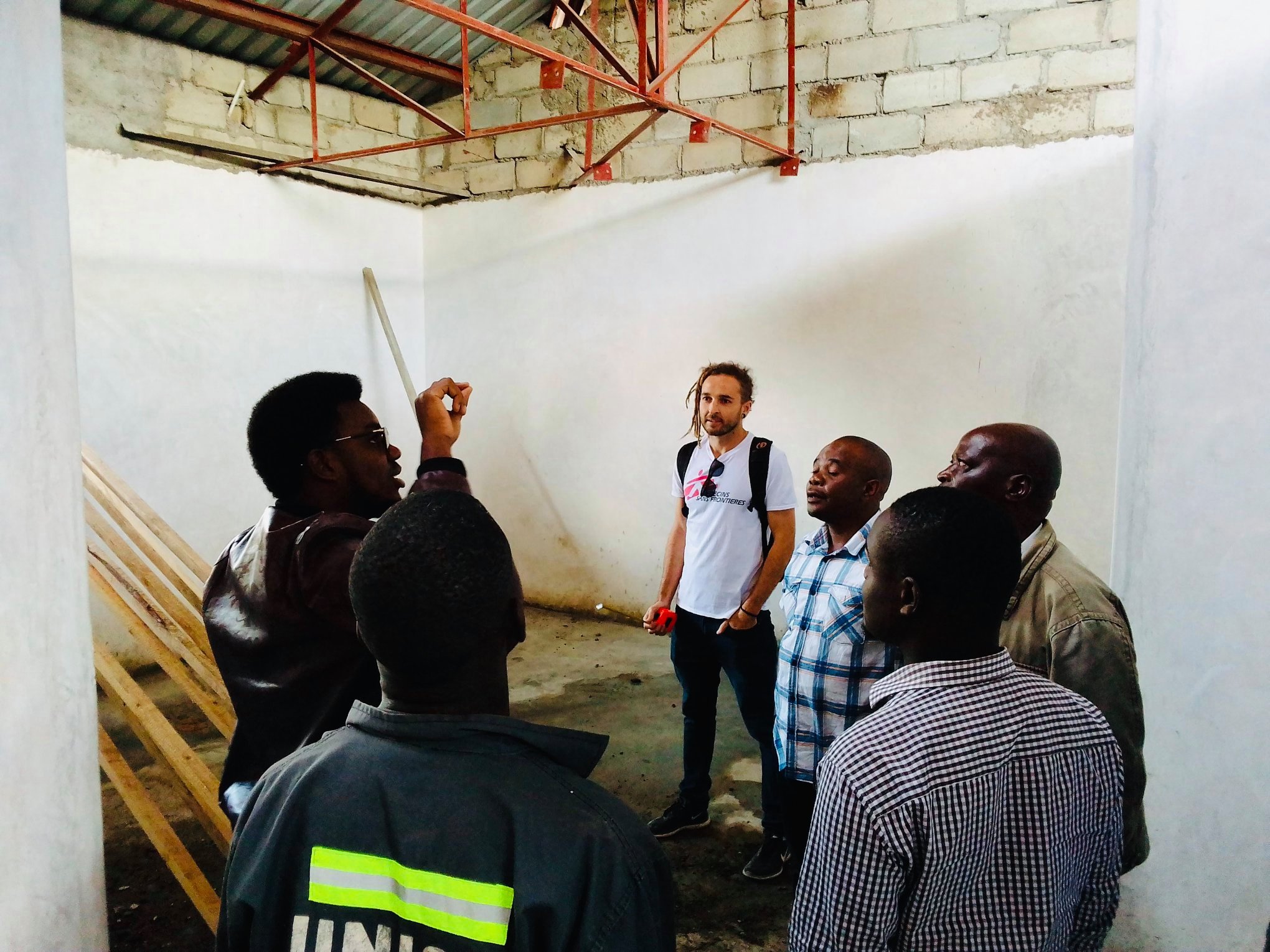
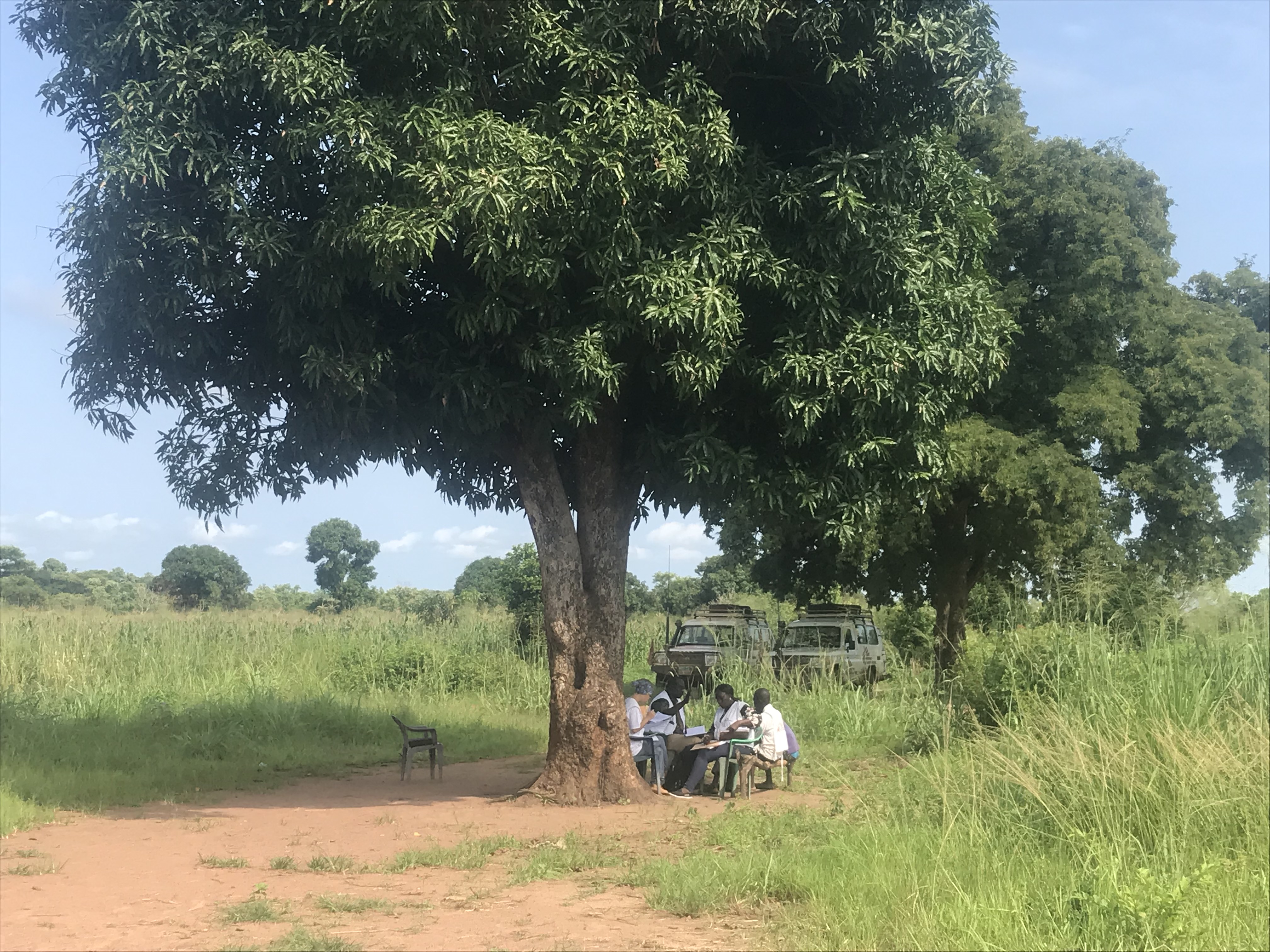
Nicholas Menner, an electrician from Goolwa, South Australia, worked with Médecins Sans Frontières/Doctors Without Borders (MSF) in Malawi in mid-2019. He was involved in constructing the new operating theatre and inpatient ward opened in Blantyre in December 2019 to begin surgical treatment for cancer patients.

30 Jul 2020

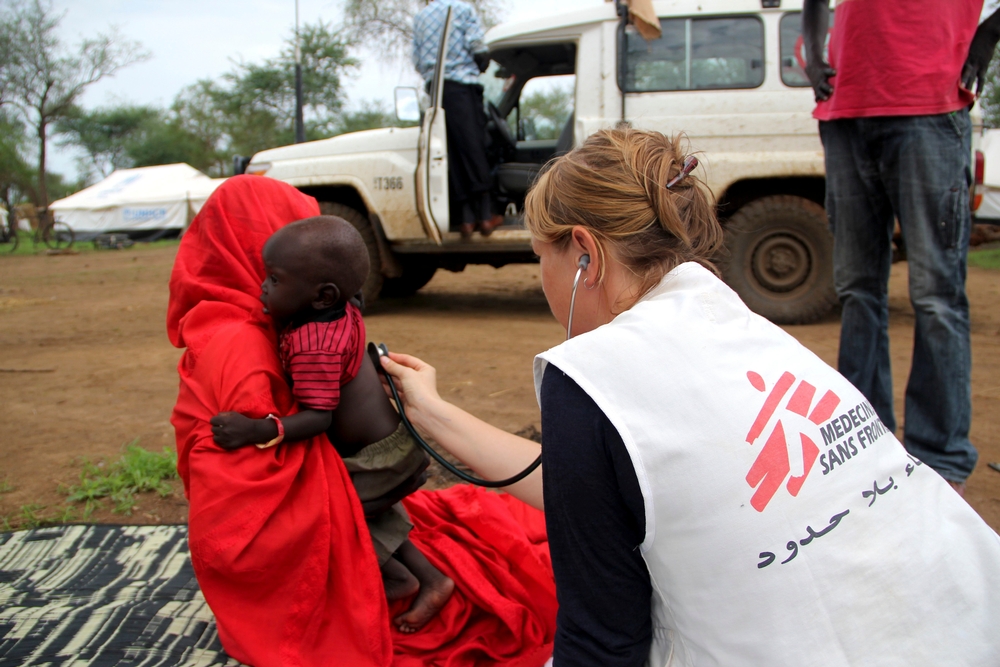
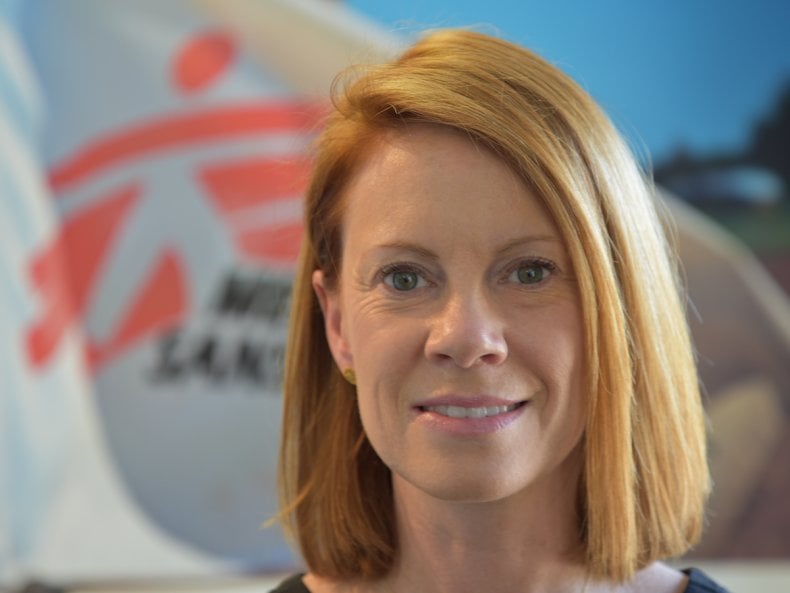
Aucklander Vanessa Cramond’s work with Médecins Sans Frontières/Doctors Without Borders (MSF) has taken her from Zimbabwe, to Sudan, Syria and the Amsterdam Emergency Support Desk over more than 12 years.

The protests against police brutality towards black people in the United States keep on reverberating around the world and shining a light on the deadly impact of racism globally, including in Australia and New Zealand.  

So, let us start off this editorial by writing the most important three words you will read here—black lives matter. Full stop. They matter in South Sudan, South Africa, they matter in Australia, they matter in the USA. This is a fact without borders. 

msf325102_medium.jpg
08 Jul 2020

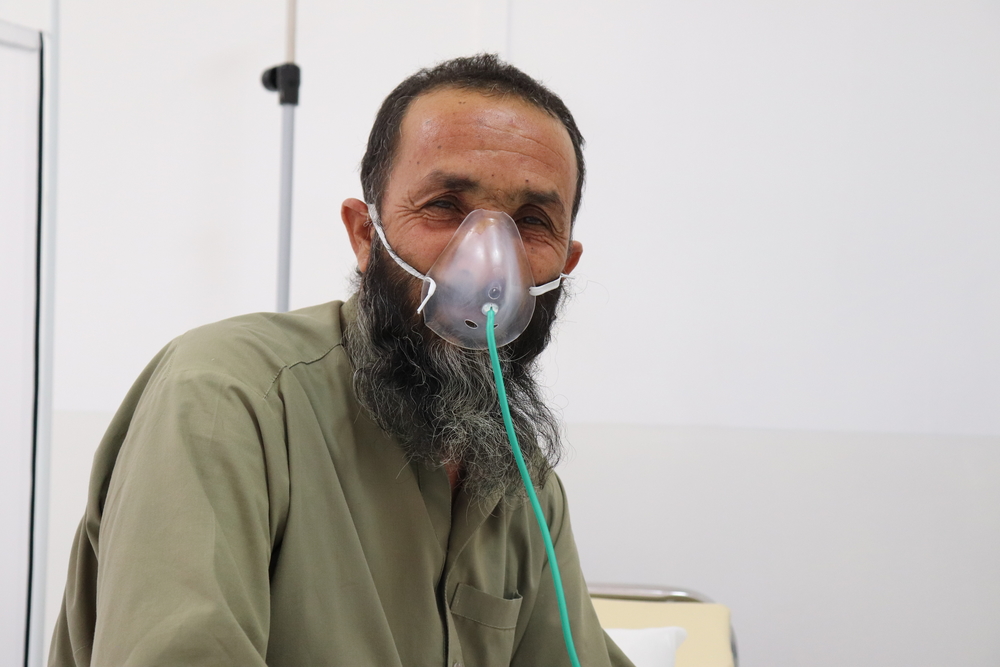
Mohammad Hashim was the first patient at MSF’s newly opened COVID-19 treatment centre in Gazer Gah hospital in Herat, western Afghanistan. Like many of those in Afghanistan, Mohammed was initially sceptical about the existence of COVID-19. When he first got symptoms, he tried traditional medicine, but as his condition deteriorated, he made the journey to hospital. 

msf323454_medium.jpg
25 Jun 2020

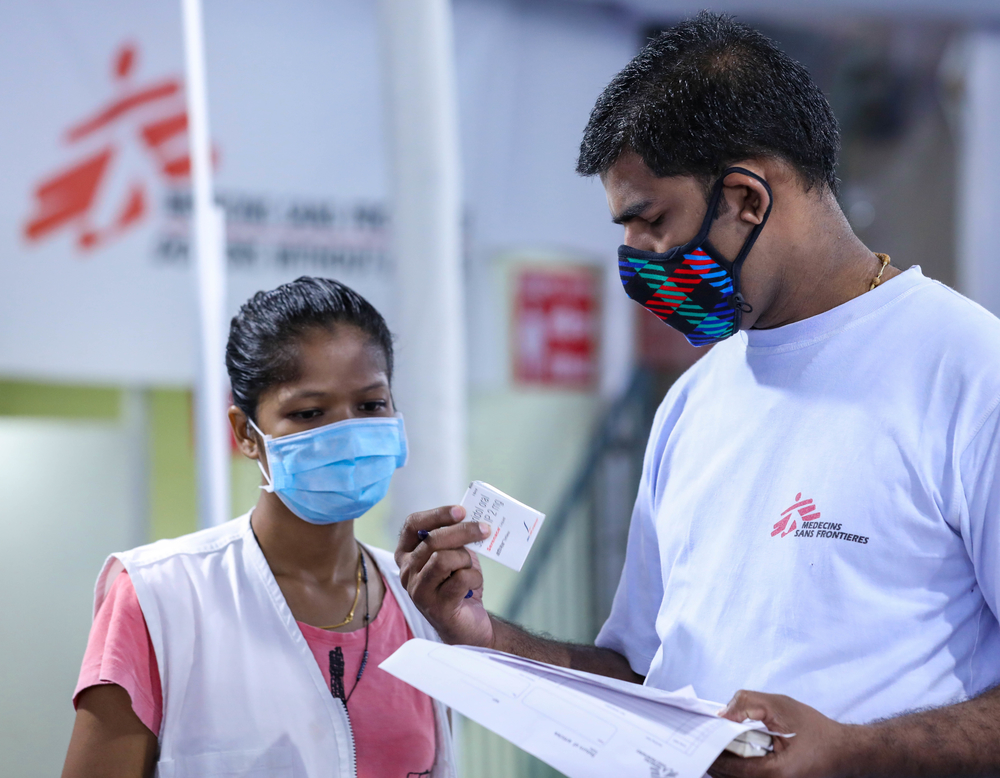
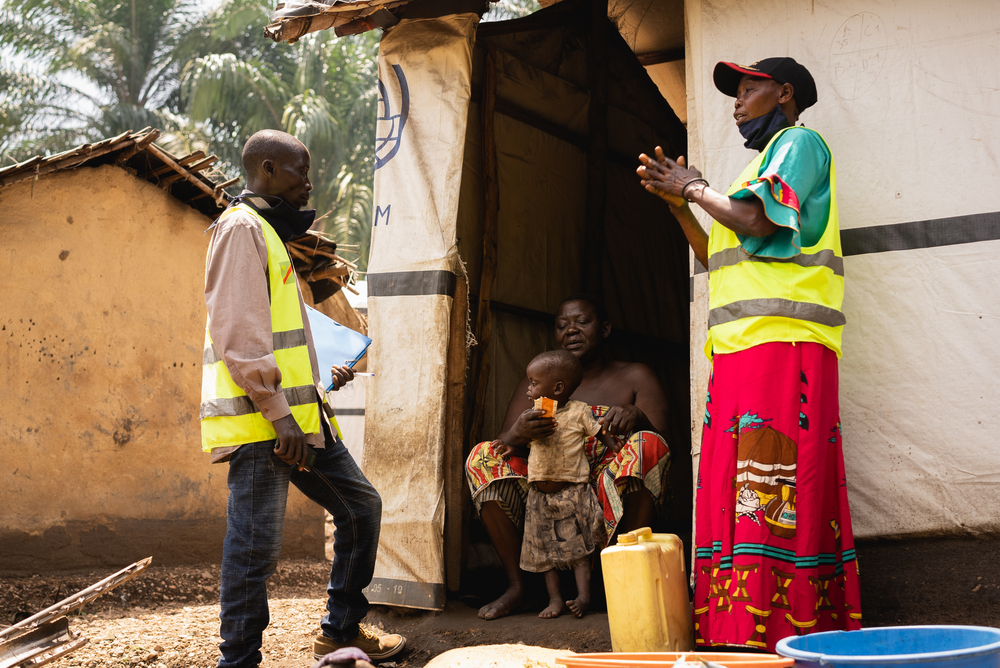
Bihar, one of the poorest states in India, is also one of the most populated. As the number of confirmed coronavirus cases in India continues to rise, Médecins Sans Frontières (MSF) is focused on ensuring everyone has access to treatment, particularly those from marginalised backgrounds in Bihar.

msb11336_medium.jpg

Médecins Sans Frontières (MSF) promotes a working environment free of harassment and abuse. Our leadership has unequivocally committed to reinforce mechanisms and procedures to prevent and address abuse and harassment. All staff are expected to abide by the MSF movement’s Behavioural Commitments and our guiding principles as stipulated in our Charter.

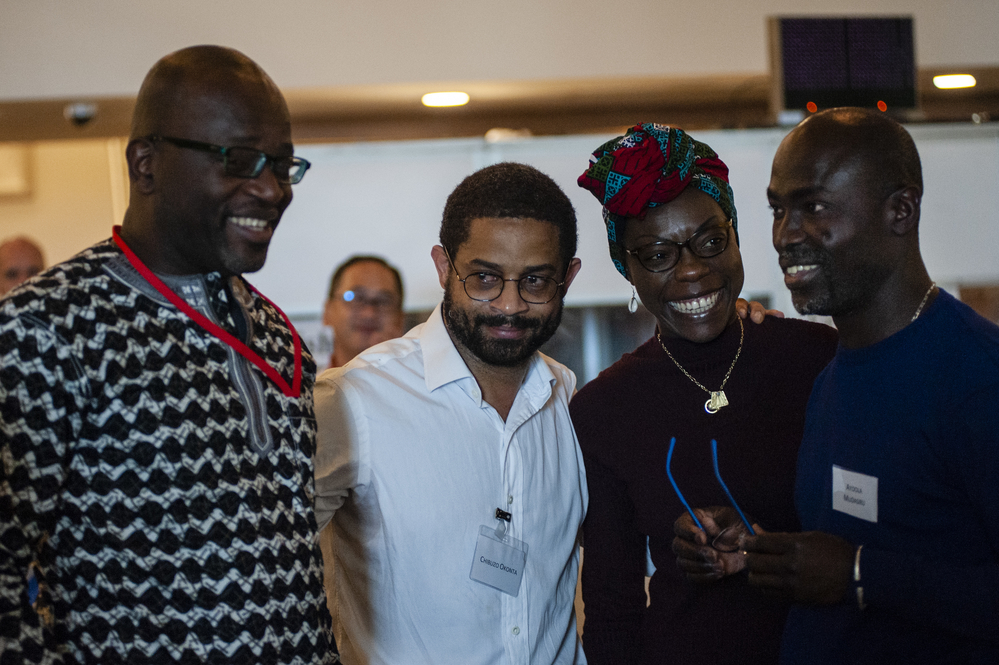
How can we do more to prevent racism?
19 Jun 2020

The recent protests against police brutality towards black people in the United States have reverberated around the world and shone a light on the deadly impact of racism globally, including in Australia and New Zealand.

Afghanistan: MSF withdraws from Dasht-e-Barchi hospital following attack on staff and patients
18 Jun 2020

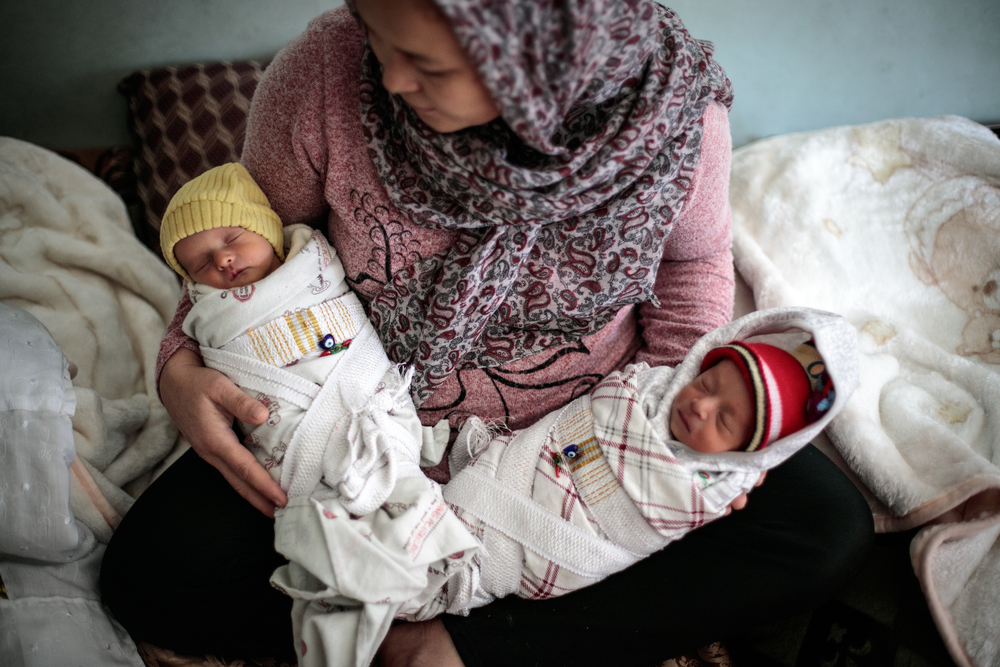
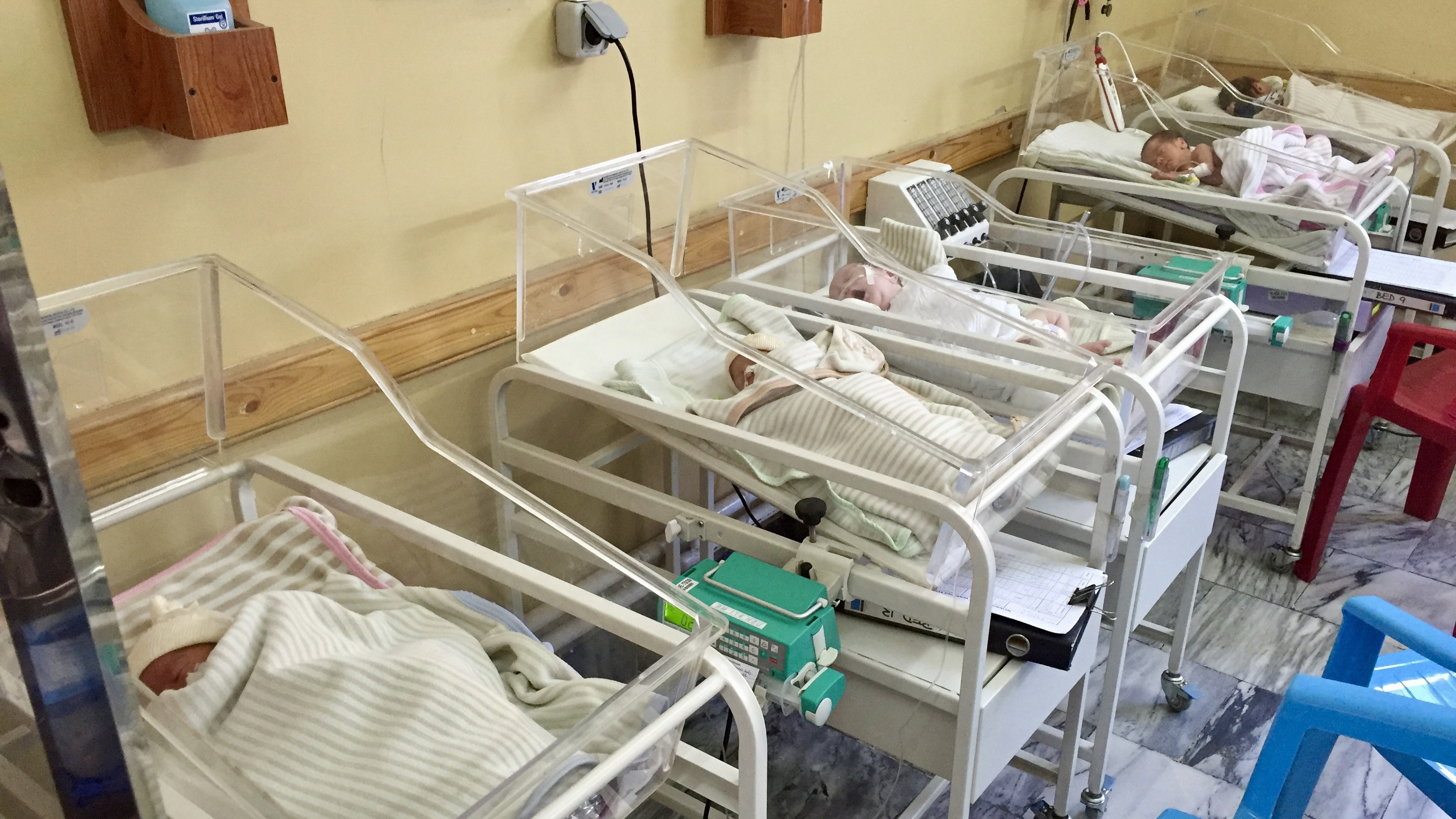
Earlier this week MSF has decided to end activities and withdraw from Dasht-e-Barchi hospital in Kabul, Afghanistan, following the brutal May 12 attack in which 16 women were systematically shot dead in the maternity ward. Among those killed were 15 mothers and an MSF midwife, Maryam Noorzad. The attackers also killed two young children and six other people present at the time of the attack.

Dasht-e-Barchi: can it ever be a safe place again?
15 Jun 2020

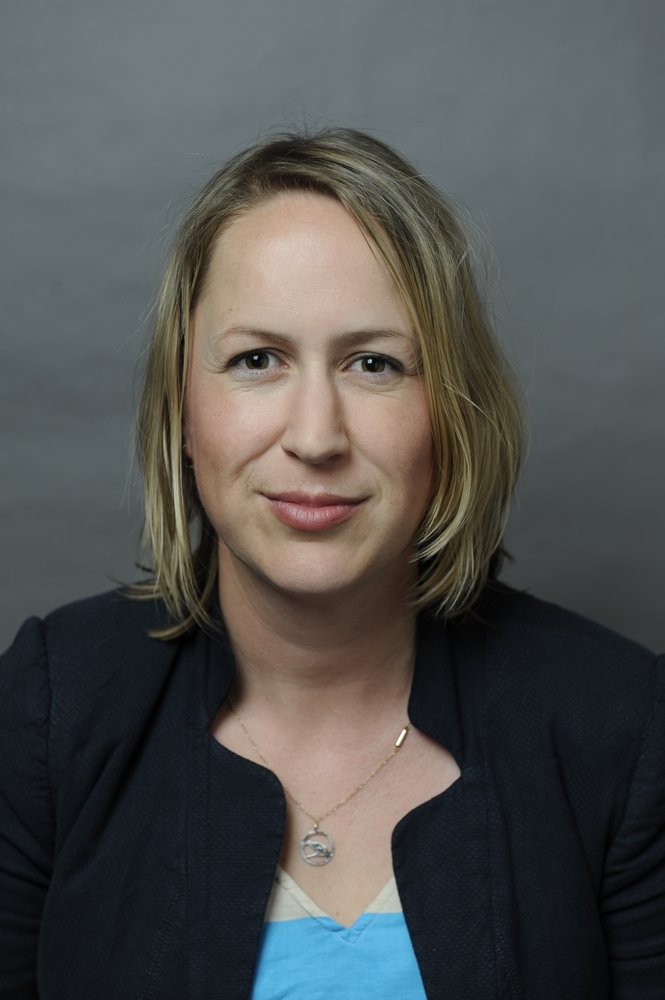
It has been one month since the attack on the maternity wing in Dasht-e-Barchi Hospital. Here, Melbourne-based Dr Katherine Franklin reflects on how the tragic event conflicts with memories of her time working in the project in 2016. 

msb103860_medium.jpg

Médecins Sans Frontières’ history is one of constantly striving to adapt, improve and expand our medical care for people in crisis or excluded from healthcare. 

Throughout we have been driven to improve the safety, effectiveness, timeliness and equity of our care—four important domains of quality care. But 50 years on, it is in the fifth domain of patient-centredness, one that both intersects with and underpins the other four, that we hope to achieve our greatest cumulative impact.