msf302850_medium.jpg

With the coronavirus pandemic stretching on, we could all do with some good news right now. As our teams continue to work with communities around the world to improve healthcare and save lives, we’re celebrating some recent successes in which we played a part. 

The protests against police brutality towards black people in the United States keep on reverberating around the world and shining a light on the deadly impact of racism globally, including in Australia and New Zealand.  

So, let us start off this editorial by writing the most important three words you will read here—black lives matter. Full stop. They matter in South Sudan, South Africa, they matter in Australia, they matter in the USA. This is a fact without borders. 

msf245956_medium.jpg

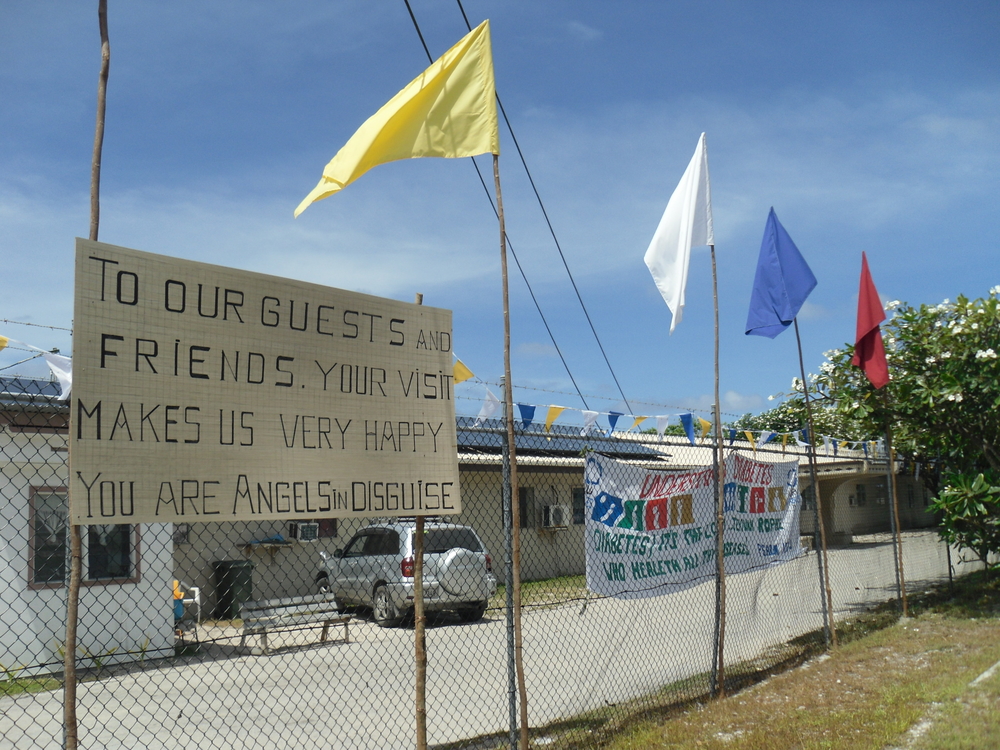
Seven years. That’s how long many asylum seekers and refugees have been held on Nauru and Papua New Guinea, with still no end in sight. 

Seven years of various forms of detention, uncertainty about the future and a lack of control over even the basic details of their lives.  

Australia’s offshore processing system is dangerous, causing devastating mental health suffering. 

msf324980_medium.jpg
08 Jul 2020

Across Bangladesh, the number of people suffering from COVID-19 has climbed persistently since March, with more than 149,000 cases reported. 

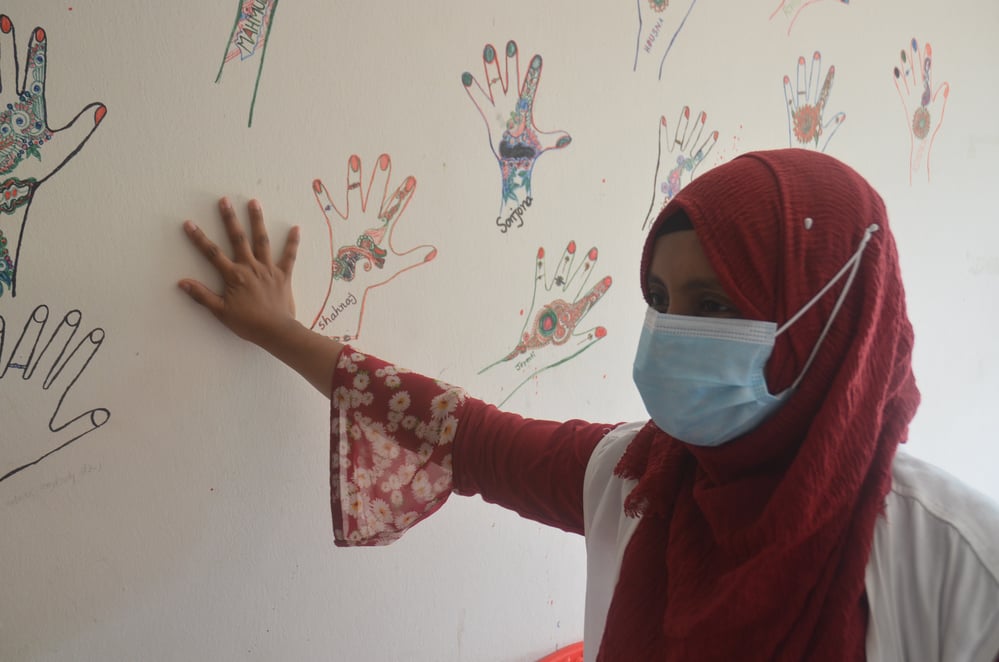
For patients in the paediatric ward at Goyalmara, Médecins Sans Frontières/Doctors Without Borders (MSF)’s mother and child hospital in the Cox’s Bazar refugee camps, COVID-19 is causing significant issues with accessing routine health care.

msf325102_medium.jpg
08 Jul 2020

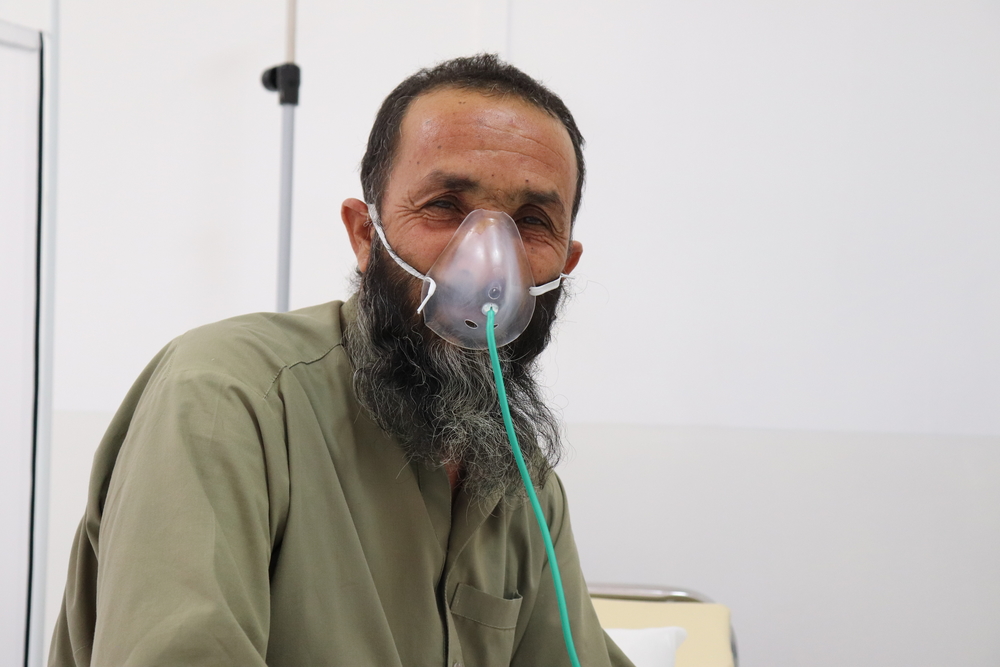
Mohammad Hashim was the first patient at MSF’s newly opened COVID-19 treatment centre in Gazer Gah hospital in Herat, western Afghanistan. Like many of those in Afghanistan, Mohammed was initially sceptical about the existence of COVID-19. When he first got symptoms, he tried traditional medicine, but as his condition deteriorated, he made the journey to hospital. 

msf325102_medium.jpg
08 Jul 2020

Mohammad Hashim was the first patient at MSF’s newly opened COVID-19 treatment centre in Gazer Gah hospital in Herat, western Afghanistan. Like many of those in Afghanistan, Mohammed was initially sceptical about the existence of COVID-19. When he first got symptoms, he tried traditional medicine, but as his condition deteriorated, he made the journey to hospital. 

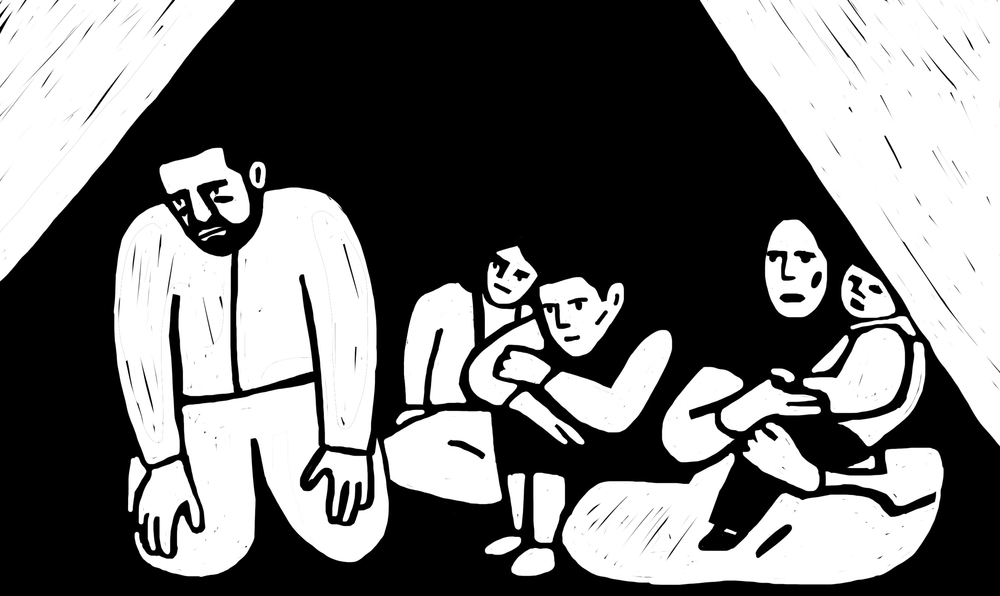
The mental health effects of self-isolation and restricted movement have been widely discussed throughout the COVID-19 pandemic. But what if that isolation was not self-imposed—and there was no end in sight?

msf324218_medium.jpg

Abu Fadel, Hassan, and Iman are three of the 2.7 million displaced people currently living in Idlib in northwest Syria. Idlib, the last rebel stronghold, has become home to a population of people left shattered and impoverished after nine years of war. Abu Fadel, Hassan and Iman recount similar stories of everyday life in what has become an open-air prison.

msf323454_medium.jpg
25 Jun 2020

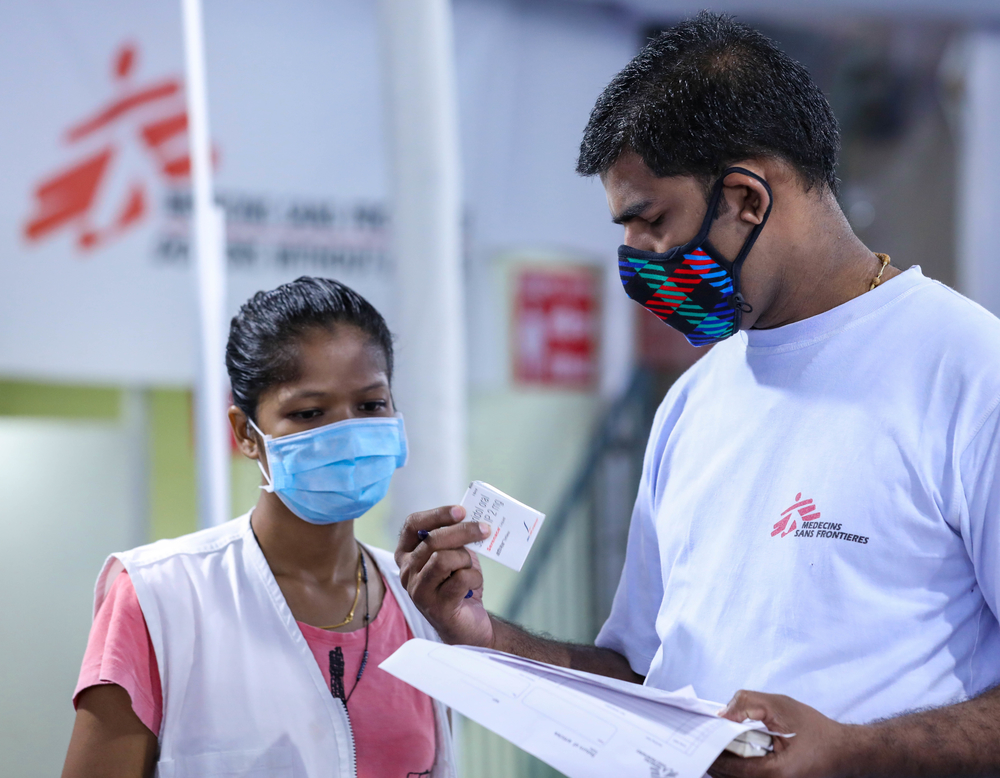
Bihar, one of the poorest states in India, is also one of the most populated. As the number of confirmed coronavirus cases in India continues to rise, Médecins Sans Frontières (MSF) is focused on ensuring everyone has access to treatment, particularly those from marginalised backgrounds in Bihar.