
MSF's work in Rwanda
MSF worked in Rwanda from 1991 until 2007. At the end of 2007, MSF ended its activities in Rwanda after 16 years in the country. Over the years, MSF's work has included assistance to displaced persons, war surgery, programmes for unaccompanied children and street children, support to victims traumatised by the conflict, programmes to improve access to healthcare, responding to epidemics such as malaria, cholera and tuberculosis, and projects linked to maternal and reproductive health.
Why were we there?
- Conflict
- Healthcare exclusion
- Endemic/epidemic disease
History of Rwanda
In 2000, Rwanda faced a growing HIV/AIDS epidemic and a lack of available resources. MSF joined the fight against HIV/AIDS, focusing initially on prevention and awareness before quickly including medical treatment.
In the health centres of Kinyinya and Kimironko in Kigali, thousands of patients have been cared for by MSF. At the time of final handover to the health authorities in December, more than 6,200 patients were receiving medical care in these two health centres, with 2,700 benefiting from anti-retroviral treatment (ART). More than 10 per cent of these patients were children.
Caring for children with this life-long disease brings particular challenges. MSF medical teams, therefore, developed an innovative approach focusing on the specific needs of children living with HIV/AIDS in Rwanda. This included discussion of HIV testing of children in adult discussion groups, training specialised staff in psychosocial care and disclosure of the child's status to the child and their caregiver using adapted tools. A key part of MSF's approach was the creation of children-only support groups, which not only give children a voice but also allow them to play an active role in their treatment.
Rwanda has now begun a clear shift towards long-term development plans. The number of organisations in the country now covers the needs of the population. The AIDS epidemic appears contained due to the high level of investment by local authorities and the support of many international actors. As a result, MSF felt able to end its presence in the country at the end of 2007.
Speaking Out
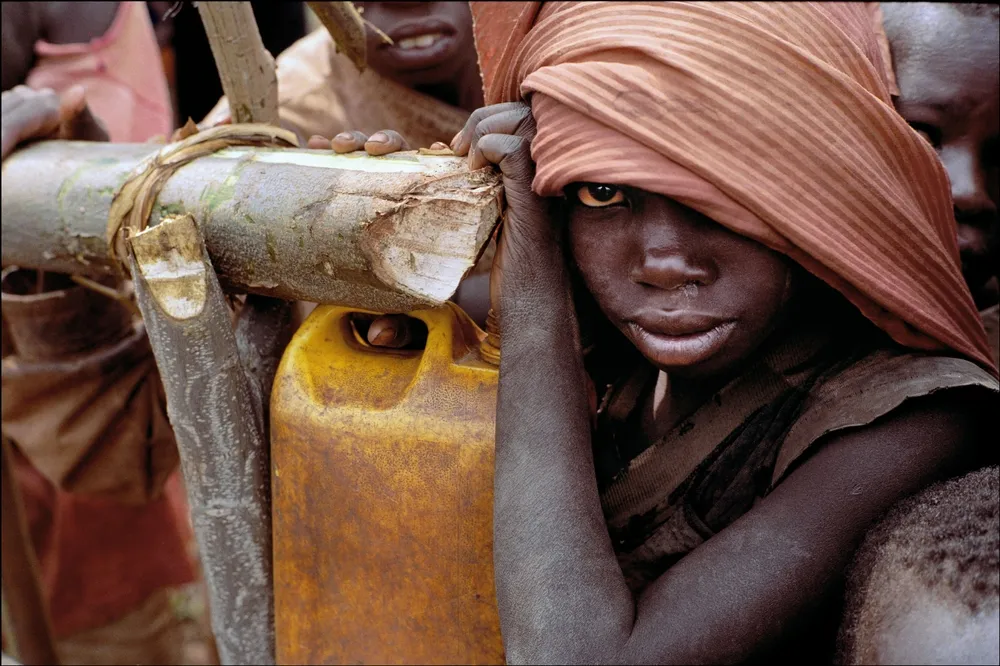
From April to July 1994, between 500,000 and one million Rwandan Tutsi were systematically exterminated by Rwandan Armed Forces (FAR in French). Over several months, more than one million Rwandans fled their country, driven out as a result of threats by the former authorities and fear of civilian massacres.
Médecins Sans Frontières (MSF) teams in Kigali, Rwanda became regular eyewitnesses to violence, murder and large-scale massacres, with staff members among the victims. MSF has since produced a detailed case study, acknowledging the complexity of the situation faced by MSF teams in Rwanda, and outlining the ultimate decision to speak out.